Reforming Church Leadership Through Integrity, Accountability, and Shared Leadership
A Better Way
What This Curriculum Is
A Better Way is a six session video based course designed for:
Senior Pastors
Executive Pastors
Church Planters
Leadership Teams
It is not meant to be consumed alone.
It is designed to be worked through in community.
Each session includes:
Short teaching videos
Team discussion guides
Reflection prompts
Practical tools for implementation
The goal is not just understanding, but transformation within leadership culture.
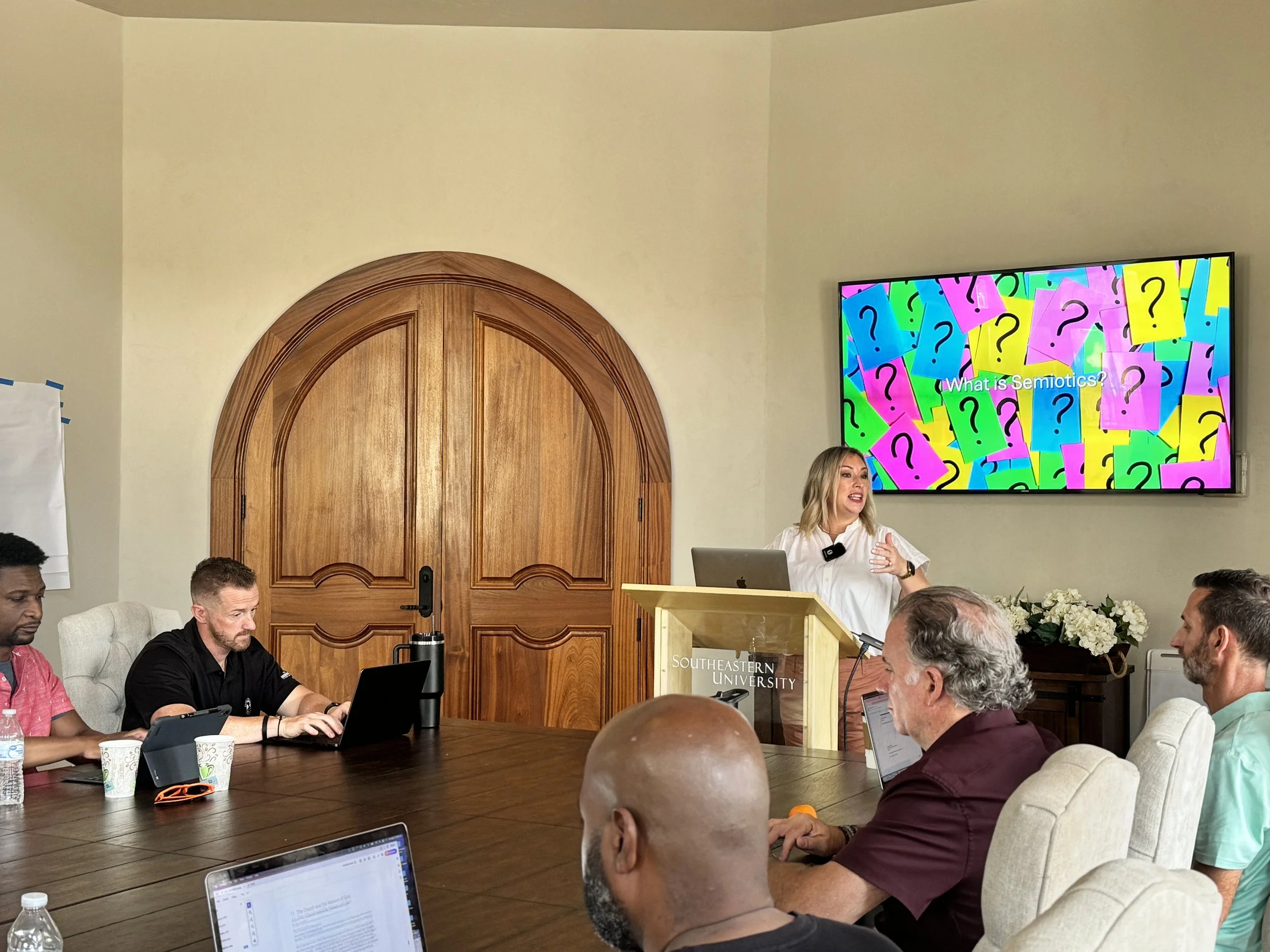
For teams who want additional support, I offer in-person and virtual facilitation.
These sessions are designed to help teams move beyond theory into honest, guided conversation, especially in environments where trust is still being rebuilt or difficult dynamics are present.
Reduced isolation
·
Greater clarity in decision making
·
Healthier systems of accountability
·
A culture that prioritizes integrity over performance
Reduced isolation · Greater clarity in decision making · Healthier systems of accountability · A culture that prioritizes integrity over performance
Our Process
-

WATCH
Each session begins with a short teaching video (10–15 minutes).
These teachings are designed to be clear, theologically grounded, and immediately accessible, drawing from Scripture, church history, and real leadership dynamics. Rather than overwhelming with content, they aim to surface what is often left unspoken and bring language to what many leaders have sensed but not yet articulated.
-

REFLECT
Following the teaching, participants engage with guided reflection through the I/We Sheets.
These are not worksheets to complete, but invitations to pause.
Leaders are asked to consider both personal formation (I) and team dynamics (We), helping bridge the gap between internal conviction and external culture. This creates a space where honesty can begin without pressure or performance.
-

DISCUSS
Each session then moves into team conversation using the Facilitator Guide.
The goal is not to arrive at quick answers, but to engage meaningful dialogue. Questions are designed to surface assumptions, challenge existing systems, and invite multiple voices into the conversation.
This is where much of the real work happens.
Not in the content itself, but in the courage to speak, listen, and discern together.
-

APPLY
From there, teams are guided toward practical next steps.
These are not rigid prescriptions, but thoughtful prompts and tools to help teams begin implementing what they are learning within their unique context. The aim is not perfection, but movement, small, intentional shifts that over time reshape culture.

Core Themes
This curriculum helps teams engage:
The hidden risks within modern church leadership structures
The theology of accountability and mutual responsibility
The shift from isolated leadership to shared leadership ecosystems
Biblical archetypes as a framework for leadership roles
The difference between perseverance and enabling
How accountability can become a normal rhythm rather than a crisis response
Why This Approach Works
Traditional leadership resources often focus on the individual leader.
This curriculum focuses on the team and the system.
Because real change in the Church does not happen in isolation.
It happens in relationships.
In research and pilot feedback, leaders consistently identified this team based, dialogue driven approach as the most practical and immediately applicable model for real change within their churches.
The Outcome
When this work is implemented well, leaders begin to experience:
Reduced isolation
Increased trust within teams
Greater clarity in decision making
Healthier systems of accountability
A culture that prioritizes integrity over performance
Ultimately, the goal is not just healthier leaders, but healthier churches.
Because when leadership is formed in integrity, the entire community is strengthened.
From Pyramid to Garden
For many churches, leadership has been shaped more like a pyramid than a garden. Power concentrated at the top, responsibility carried by the few, and sustainability dependent on performance.
Scripture offers a different vision.
One of shared stewardship.
Mutual responsibility.
Interdependence.
This curriculum is an invitation to return to that vision.
LET’S GET STARTED